DC Load Bank Advanced Solutions for Reliable, Efficient, and Intelligent DC Power System Testing
summary:In modern power generation, renewable energy, telecom, and industrial sectors, the reliability and stability of DC power systems have become critical.
In modern power generation, renewable energy, telecom, and industrial sectors, the reliability and stability of DC power systems have become critical. From large-scale solar storage systems and telecom backup batteries to electric vehicle charging stations and industrial DC power supplies, ensuring that these systems perform consistently under real-world conditions is a top priority. Traditional testing methods often fail to accurately simulate real operational loads, resulting in inefficient maintenance, unexpected failures, and high operational risks. DC load bank technology provides an advanced solution, enabling precise simulation, controlled testing, and reliable evaluation of DC power systems, batteries, rectifiers, and energy storage solutions. By applying controllable electrical loads, a DC load bank ensures engineers and operators can assess performance, efficiency, capacity, and fault tolerance under various operating scenarios.
The core framework of a DC load bank generally consists of high-precision resistive elements, intelligent control modules, robust structural housing, cooling and heat dissipation systems, data acquisition interfaces, and safety mechanisms. DC power input, whether from batteries, rectifiers, or solar arrays, is routed into the load bank, where it is absorbed by resistive loads while real-time monitoring and control allow operators to vary voltage and current according to testing needs. Advanced systems also integrate programmable load profiles, automated testing sequences, and data logging, which provide precise measurement and reduce human error. The modular design of modern DC load banks ensures scalability, allowing units to be customized for small lab-scale setups or large industrial power plants without compromising accuracy or safety.
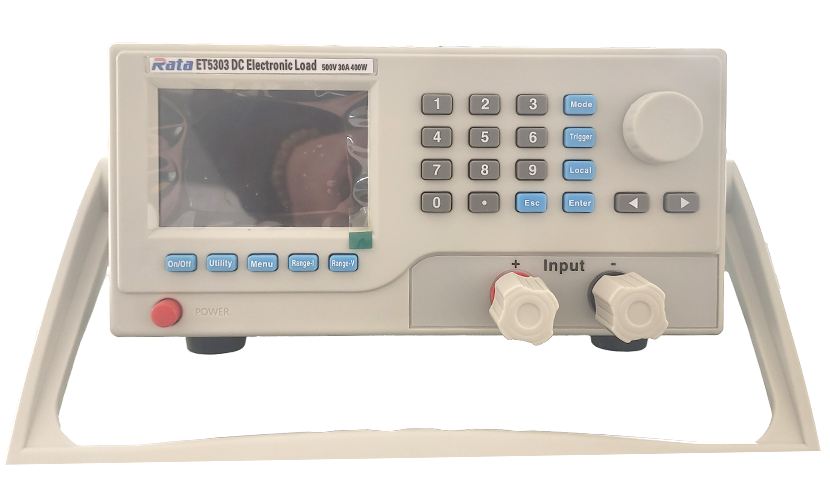
One of the primary advantages of DC load banks is their ability to reduce operational risks by providing accurate, repeatable, and controlled testing conditions. For example, batteries can be discharged at specific rates to verify capacity, rectifiers can be tested under different loads to ensure efficiency, and energy storage systems can be evaluated for long-term reliability. This precision testing enables organizations to prevent failures before deployment, optimize system performance, and extend the lifespan of critical components. Moreover, intelligent control interfaces and safety protections, including overcurrent, overvoltage, and thermal monitoring, ensure operators can conduct high-risk tests without exposing equipment or personnel to danger.
Another notable advantage lies in efficiency and cost-effectiveness. By simulating real-world DC loads, load banks prevent unnecessary overdesign, reduce downtime, and allow proactive maintenance planning. Modern DC load banks feature high energy conversion efficiency, optimized cooling systems, and wear-resistant materials that reduce maintenance costs and improve service life. These factors collectively ensure that organizations maximize their return on investment while maintaining consistent system performance. Additionally, modular designs allow multiple units to be linked in parallel or series configurations, making it easier to adapt to diverse testing requirements across industries.
DC load banks also play a critical role in regulatory compliance and operational certification. Many industries require rigorous testing of batteries, UPS systems, and energy storage units before installation or integration into critical infrastructure. Using a DC load bank, organizations can generate detailed test reports, document load profiles, and provide verified performance data that meet industry standards. This capability is particularly important for telecom networks, renewable energy facilities, and industrial plants, where downtime or unexpected failure can result in significant economic loss.
Practical case studies demonstrate the value of DC load banks in real-world scenarios. A large solar storage plant integrated multiple DC load banks to perform capacity testing of lithium-ion battery modules before grid connection. The tests allowed engineers to identify underperforming cells, balance load distribution, and optimize charge-discharge cycles, reducing maintenance costs and improving long-term reliability. Similarly, a telecom operator used a DC load bank to test its backup battery systems across dozens of base stations. Regular testing with load banks enabled predictive maintenance, reduced system downtime, and ensured continuous network availability during peak demand or emergency situations. Industrial facilities have also leveraged DC load banks for commissioning rectifiers and DC supply systems, minimizing risk during startup and verifying compliance with operational specifications.
From a customer perspective, DC load banks solve multiple longstanding pain points. Many organizations face challenges such as inaccurate performance assessment, inefficient maintenance, unpredictable system failures, and complex testing procedures. By providing precise, repeatable, and controllable testing conditions, DC load banks help users achieve reliable evaluation, optimize operational efficiency, and improve decision-making regarding system upgrades or component replacement. Furthermore, the integration of automated control systems, remote monitoring, and modular expansion addresses logistical challenges, reduces dependency on manual labor, and improves overall management transparency.
Additionally, DC load banks contribute to sustainable operations. By accurately simulating loads, the equipment prevents over-discharge or overloading of batteries and systems, extending service life and reducing waste. In renewable energy applications, such as solar and wind storage facilities, DC load banks ensure energy storage units operate within optimal parameters, maximizing system efficiency and minimizing resource loss. Intelligent data acquisition systems enable users to track performance trends, predict potential faults, and implement preventive measures, supporting long-term sustainability goals.
In terms of design flexibility, modern DC load banks can be customized based on voltage range, current capacity, power rating, modularity, and environmental conditions. They can feature advanced cooling mechanisms such as forced air or liquid cooling, corrosion-resistant housing, noise reduction systems, and remote monitoring modules. These design elements make DC load banks suitable for laboratories, industrial plants, renewable energy projects, telecom facilities, and electric vehicle charging infrastructure, ensuring compatibility with various operational requirements. Professional technical support, training, and after-sales service further enhance reliability, operational confidence, and user satisfaction.
Looking forward, DC load banks are evolving with intelligent automation, IoT integration, and AI-assisted predictive analysis. Future systems are expected to automatically adjust load profiles, monitor real-time equipment health, forecast maintenance needs, and integrate seamlessly with energy management platforms. This evolution will enable smarter energy utilization, improved operational safety, and higher asset value, supporting industries in achieving efficient, safe, and sustainable DC power management.
In conclusion, DC load banks represent a comprehensive, reliable, and cost-effective solution for modern DC power system testing. By combining advanced resistive technology, intelligent control, modularity, and safety features, they help organizations optimize performance, reduce risks, ensure compliance, and support sustainable operations. From renewable energy storage and telecom backup systems to industrial DC power facilities, DC load banks are indispensable tools that enable precise evaluation, reliable operation, and long-term system optimization. Investing in DC load bank solutions is a strategic decision that enhances operational efficiency, reduces maintenance costs, and ensures the reliability and sustainability of critical DC power infrastructure.
Hot Blogs
Understanding the Importance of Air-Cooled Load Banks in Electrical Testing
Understanding the Importance of Air-Cooled Load Banks in Electrical Testing Table of Contents 1. Introduction to Air-Cooled Load Banks 2. What Are Load Banks? 3. The Importance of Air-Cooled Load Banks 4. Applications of Air-Cooled Load Banks in Electrical Testing 5. Benefits of Using Air-Cooled Load Banks 6. Design and Technology Behind Air-Cooled Load Banks 7. Safety
2026-02-27
DC Load Bank Advanced Solutions for Reliable, Efficient, and Intelligent DC Power System Testing
In modern power generation, renewable energy, telecom, and industrial sectors, the reliability and stability of DC power systems have become critical.
2026-02-27
industry trends and deepening international collaboration. As a key exchange platform in the data center sector, the exhibition venue was bustling with activity. As a highly influential industry event in the Asian data center field, this exhibition attracted hundreds of enterprises from over 20 countries worldwide. It brought together cutting-edge achievements in areas such as data center infrastructure, green energy-saving technologies, and intelligent operation and maintenance, while also gathering numerous high-quality global enterprises and professionals.
2025-10-25
Contact us
Address: East section of Hongyu Road.Jinshan Industrial Park,Luojiang,Deyang,Sichuan
Phone number: +8613890270038
Zip code: 618508
Email: gongzhenhua@rata.top
Website: www.rata.top/www.cnloadbank.com

Mobile Website
Official Account
Links
Powered by:CEglobal | SEO